Federal Labor Standards
Date: 2024-10-24
Category: Law Helper
Federal labor standards are crucial in shaping the work environment and ensuring fair treatment for employees across the United States. These standards are designed to provide a balanced framework that protects workers' rights while allowing businesses to function effectively. In this blog post, we will explore the key components of federal labor standards, their historical context, and their impact on today's workforce.
Historical Context of Federal Labor Standards
Before diving into the specifics, it's important to understand the historical context that gave rise to federal attorneys labor standards. The early 20th century was marked by rapid industrialization, which often resulted in poor working conditions, long hours, and inadequate wages. As worker unrest grew, so did the demand for reform.
The Birth of Labor Standards
The Fair Labor Standards Act (FLSA) of 1938 was a pivotal moment in labor history. It established minimum wage, overtime pay, recordkeeping, and youth employment standards. This act aimed to eliminate detrimental labor conditions and create a more equitable workforce.
Key Amendments and Evolutions
Since its inception, the FLSA has undergone several amendments to address evolving workplace dynamics. These amendments have expanded the scope of protections, increased minimum wage rates, and refined definitions of exempt and non-exempt employees.
Core Components of Federal Labor Standards
Federal labor standards encompass several crucial elements designed to ensure fair treatment and safe working conditions for employees.
Minimum Wage
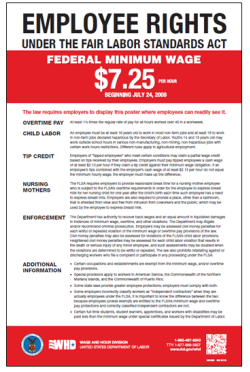
The federal minimum wage is a cornerstone of labor standards. It provides a baseline for earnings, helping to prevent exploitation of workers. States can set their own minimum wage rates, often higher than the federal level, to better align with local living costs.
Overtime Pay
Overtime regulations dictate that eligible employees receive one and a half times their regular pay rate for hours worked beyond the standard 40-hour workweek. This policy incentivizes employers to limit excessive work hours and compensates employees for extra time spent on the job.
Child Labor Laws
Federal labor standards also include specific provisions to protect young workers. The FLSA sets age restrictions and outlines permissible work hours and conditions for minors, ensuring that education remains a priority alongside employment.
Recordkeeping Requirements
Employers are mandated to maintain accurate records of employees' work hours and wages. This transparency helps ensure compliance with labor standards and provides a basis for resolving disputes.
Impact on Employers and Employees
Federal labor standards have far-reaching impacts on both employers and employees, shaping the dynamics of the workplace.
Benefits for Employees
These standards offer numerous benefits to employees, such as ensuring fair compensation, preventing exploitation, and promoting a healthier work-life balance. Workers can feel more secure knowing there are regulations in place to protect their rights.
Challenges for Employers
While labor standards provide essential protections, they also pose challenges for employers. Compliance can be complex, requiring businesses to navigate intricate regulations and adapt to changes. Failure to comply can result in legal repercussions and financial penalties.
The Role of the Department of Labor
The U.S. Department of Labor (DOL) plays a critical role in enforcing federal labor standards. It provides guidance, conducts investigations, and ensures compliance across various sectors.
Enforcement and Compliance
The DOL is tasked with enforcing labor laws and investigating violations. This ensures that workers receive the protections they are entitled to and that businesses operate within legal frameworks.
Resources and Support
The DOL offers a range of resources to assist both employers and employees. These include educational materials, compliance assistance, and a platform for reporting violations. By fostering awareness, the DOL helps create a more informed workforce.
Contemporary Issues and Future Directions
As the workplace continues to evolve, federal labor standards face new challenges and opportunities for growth.
Gig Economy and Labor Standards
The rise of the gig economy has sparked debates about how labor standards apply to non-traditional work arrangements. Questions around employee classification and benefits are central to these discussions, requiring potential updates to existing regulations.
Remote Work and Compliance
With the increase in remote work, employers must adapt to ensure compliance with labor standards. This includes accounting for work hours, maintaining accurate records, and adhering to overtime regulations in a digital environment.
Advancing Equity and Inclusion
Federal labor standards are increasingly focused on promoting equity and inclusion. Efforts to address pay disparities, discrimination, and accessibility are essential in creating a fairer workplace for all employees.
Conclusion
Federal labor standards are foundational in ensuring a fair and equitable work environment. Through historical evolution and ongoing adaptation, these standards continue to protect workers' rights and define employer responsibilities. As the workplace landscape changes, maintaining a balance between regulation and flexibility will be key to sustaining a productive and just workforce. By understanding and embracing these standards, both employers and employees can thrive in a dynamic and ever-evolving labor market.